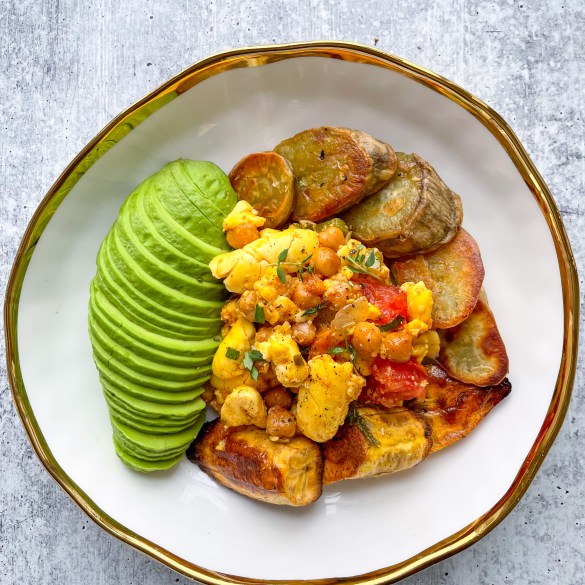
Delicious Ackee and Chickpeas Recipe: A Flavorful Vegan Dish
Ackee is a Jamaican favorite! Ackee and Chickpeas is a vegan way to eat Ackee without the traditional addition of salted fish by subbing it with chickpeas/garbanzo beans. This was extremely delicious and filling and I did not miss the fish at all.
Chickpeas:
Chickpeas are very versatile. They are highly nutritious but a delicious bean that is great for subbing meat in any dish. In this dish they are seasoned with garlic powder, onion powder, paprika, salt, cayenne, and roasted at 425 degrees for 15 minutes. They are great as a snack just roasted but were very delicious with Ackee.
Canned Ackee:
In the States, we can only get canned Ackee. My favorite brand is Spur Tree Spices. After removing the Ackees from the can, I rinse them in a colander with hot water. Allow them to drain while the rest of the dish is being prepared.
Flavoring this dish:
Salted fish usually gives this dish very big flavor! With the absence of the fish, I add scallions, thyme, bell peppers, onions, scotch bonnet peppers, tomatoes and coconut oil to keep the dish as flavorful as possible. Some folks like garlic in their Ackee. Feel free to add it if that makes you happy.
On a baking sheet, place drained garbanzo beans and season with salt, cayenne, paprika, onion powder, garlic powder and olive oil. Use your hands to toss the beans in the seasonings until they are fully coated. Place the tray on the middle shelf in the oven and bake for 15 mins.
Heat coconut oil in a large skillet over medium heat. Once the oil is fragrant a bit frothy, saute onions for about 2-3 minutes until translucent. Add scallions and bell peppers and cook for about a minute. Add tomatoes and scotch bonnets and allow them to cook for an additional minute, stirring occasionally to prevent sticking.
Add roasted garbanzo beans to the pan and toss in with alliums for about 1 minute. Add ackee, salt and black pepper and gently toss with a spatula to combine. The spatula will ensure that the Ackee stays whole and doesn't become mushy. Serve hot with your choice of sides.
cod, caribbean, oil, scotch bonnet, bell pepper, ackee, black pepper, thyme, taste, onion, garlic, chili pepper, ackee and saltfish, scallion, jamaican cuisine, dish, cuisine, coconut, sauce, nutrition, callaloo, ingredient, calorie, heat, jerk, national dish, coconut oil, fat, tablespoon, scrambled eggs, spice, breadfruit, seasoning, boil, cookbook, frying pan, frying, seed, rice and peas, sugar, side dish, meat, meal, dietary fiber, west africa, rice, fried plantain, teaspoon, stew, diet, email address, vitamin, saturated fat, beef, carbohydrate, salted fish, vegetable oil, cabbage, porridge, rum, sweet potato, iron, bean, yam, coconut milk, caribbean cuisine, flour, brine, potassium, pork, tin, vitamin a, pickling, calcium, saucepan, sodium, paprika, bowl, bacon, nutrient, lychee, olive, salt and pepper, fresh water, polyunsaturated fat, chef, capsicum, monounsaturated fat, hot sauce, dough, chickpea, jamaican vomiting sickness, brown stew chicken, nut, olive oil, peanut, cream, ackee&saltfish, saltfish and ackee near me, saltfish, hypoglycin a, aril, university of the west indies, ackee in the can, recipe for ackee
Frequently Asked Questions
How do you make ackee and saltfish?
Making ackee and saltfish involves boiling salted cod until tender, then sautéing it with ripe ackee, onions, tomatoes, and peppers until well combined. Season with spices for a flavorful dish traditionally served with dumplings or rice.
How do you prepare and eat ackee?
Preparing and eating ackee involves first boiling the fruit until the pods open, then removing the seeds and inner membranes. Sauté the ackee with vegetables or spices for a tasty dish, often served with rice or plantains.
How do you make ackee?
Making ackee involves peeling and cooking the ackee fruit until it's tender, then sautéing it with ingredients like onions, peppers, and spices. For a vegan twist, consider substituting traditional salted fish with chickpeas for added protein.
What ingredients are needed for ackee and saltfish?
The ingredients needed for ackee and saltfish include ripe ackee pods, salted codfish, onions, tomatoes, bell peppers, garlic, and spices such as black pepper and thyme.
Can you substitute fish in ackee recipes?
You can substitute fish in ackee recipes. A popular alternative is chickpeas, which provide a protein-rich and delicious vegan twist to traditional dishes, allowing for the same comforting flavors without the use of fish.
Is ackee safe to eat when unripe?
Ackee is not safe to eat when unripe. Unripe ackee contains high levels of hypoaconitine, which can cause serious illness or even be fatal. Always ensure ackee is fully ripe and properly prepared before consumption.
What is the best cooking method for ackee?
The best cooking method for ackee is to boil it gently until it is tender and fully opened, which enhances its creamy texture. This technique allows for a flavorful base when sautéed with spices and vegetables.
How should ackee be stored after cooking?
Ackee should be stored in an airtight container in the refrigerator after cooking. It can be kept for up to three days, ensuring it retains its flavor and texture.
What spices enhance the flavor of ackee?
The spices that enhance the flavor of ackee include thyme, allspice, black pepper, and scotch bonnet pepper. These spices complement the ackee's creamy texture and bring out its rich, savory taste.
How to choose ripe ackee at the market?
Choosing ripe ackee at the market involves looking for pods that are mostly opened and bright yellow or orange inside. Ensure they feel slightly soft to the touch, indicating ripeness, while avoiding any that are darkened or showing signs of mold.
Can ackee be frozen after cooking?
Ackee can be frozen after cooking, but it's best to cool it completely first. Store it in an airtight container, and it can maintain its quality for about 2-3 months in the freezer.
What are common side dishes for ackee?
Common side dishes for ackee include fried plantains, rice and peas, and a simple green salad. These accompaniments enhance the flavors of ackee while providing a well-rounded and satisfying meal.
How to serve ackee in a vegan meal?
Serving ackee in a vegan meal is easy and delicious. You can sauté cooked ackee with spices, vegetables, and chickpeas for a hearty dish, or serve it over rice or quinoa for a nutritious bowl. Enjoy with plant-based sides!
What is the history of ackee in Jamaican cuisine?
The history of ackee in Jamaican cuisine is rooted in its introduction from West Africa, where it was brought to Jamaica in the 18th century. It has since become a staple ingredient, especially in the traditional dish Ackee and Saltfish, symbolizing Jamaican culinary heritage.
Can ackee be cooked without saltfish?
Ackee can indeed be cooked without saltfish. By using chickpeas or other plant-based proteins, you can still enjoy a flavorful and nutritious dish that captures the essence of traditional Jamaican Ackee recipes.
How long does it take to cook ackee?
Cooking ackee typically takes about 10 to 15 minutes once it is prepared. Ensure it is thoroughly cooked to achieve that tender texture while maintaining its delicious flavor.
What are variations of ackee and saltfish recipes?
Variations of ackee and saltfish recipes include using chickpeas instead of salted fish for a vegan option, adding vegetables like bell peppers and spinach for extra flavor, or incorporating spices such as allspice and thyme to enhance the dish's authenticity.
Is ackee and saltfish popular outside Jamaica?
Ackee and saltfish is gaining popularity outside Jamaica, particularly in Caribbean restaurants and among cuisine enthusiasts. Its unique flavors and cultural significance attract both locals and visitors, making it a sought-after dish in various global settings.
How does ackee compare to other tropical fruits?
Ackee compares uniquely to other tropical fruits due to its buttery texture and savory taste, making it more akin to vegetables in culinary use. Unlike most fruits, it is often cooked and incorporated into dishes, especially in Jamaican cuisine.
What are nutrition facts for ackee fruit?
The nutrition facts for ackee fruit include approximately 151 calories per 100 grams, rich in healthy fats, particularly unsaturated fats, as well as protein, fiber, vitamins A and C, and minerals like potassium and iron.
How to prepare canned ackee for cooking?
Preparing canned ackee for cooking involves opening the can, draining the liquid, gently rinsing the ackee in cold water, and then incorporating it into your favorite recipes. Be careful not to break the ackee during handling.
Can ackee be added to salads?
Ackee can indeed be added to salads. Its creamy texture and subtle flavor make it a unique and nutritious addition, enhancing both taste and presentation in various salad recipes.
What other dishes can be made with ackee?
Dishes that can be made with ackee include ackee and callaloo, ackee fritters, and ackee-stuffed peppers. Additionally, it can be added to savory pies or served alongside rice and beans for a delicious plant-based meal.
How to avoid bitterness when cooking ackee?
To avoid bitterness when cooking ackee, ensure you only use ripe ackee and properly rinse it before cooking. Additionally, pairing ackee with flavorful ingredients like onions and tomatoes can help balance and enhance its taste.
What drinks pair well with ackee dishes?
Drinks that pair well with ackee dishes include traditional options like Jamaican sorrel, fresh coconut water, and ginger beer. These beverages complement the dish's flavors while enhancing the overall dining experience.
Can you make ackee without any meat?
Ackee can indeed be made without any meat. A popular vegan alternative is to use chickpeas, which offer a similar texture and protein boost while keeping the dish plant-based and healthy.
What are health benefits of eating ackee?
The health benefits of eating ackee include being rich in essential fatty acids, vitamins A and C, and fiber, which support heart health, boost immunity, and aid digestion. Additionally, ackee is low in calories, making it a nutritious addition to a balanced diet.
How do you tell if ackee is spoiled?
You can tell if ackee is spoiled by examining its color, smell, and texture. Fresh ackee should be yellow or creamy, with no dark or brown spots, and it should have a pleasant aroma. If it emits a sour smell or appears slimy, it's best to discard it.
What is the texture of properly cooked ackee?
The texture of properly cooked ackee is creamy and tender, resembling that of ripe avocado. When cooked correctly, it has a delicate, buttery consistency that easily combines with other ingredients in a dish.
How does ackee taste when cooked properly?
The taste of properly cooked ackee is creamy and slightly nutty, with a rich, buttery flavor that is often compared to scrambled eggs. When seasoned well, it complements a variety of dishes beautifully.
Jamdown refers to a term often used to describe Jamaican culture, lifestyle, and cuisine. It embodies the vibrant flavors, rhythms, and traditions that define Jamaica, making it a rich celebration of the island's heritage.
How to make Jamaican food recipes?
Making Jamaican food recipes involves selecting traditional dishes, gathering authentic ingredients, and following detailed cooking methods to capture the vibrant flavors of Jamaica. Explore family recipes and local techniques to enhance your culinary experience.
Can Jamaican food be cooked fresh?
Jamaican food can certainly be cooked fresh. Using vibrant, high-quality ingredients and traditional techniques, you can create authentic dishes that bring the rich flavors of Jamaica to life in your kitchen.
How to make Jamaican patty recipe?
Making a Jamaican patty requires preparing a flaky pastry dough, filling it with spiced ground meat, and then baking until golden. For an authentic recipe, focus on using Jamaican spices like allspice and thyme for flavor.
Can Jamaican food be healthy?
Jamaican food can indeed be healthy when prepared with fresh ingredients and balanced portions. Dishes featuring vegetables, lean proteins, and whole grains, such as brown rice and legumes, contribute to a nutritious diet while capturing vibrant flavors.
What are popular Jamaican dishes to try?
Popular Jamaican dishes to try include jerk chicken, curry goat, ackee and saltfish, and rice and peas. Each dish highlights vibrant flavors and reflects the rich culinary heritage of Jamaica, making them a must-try for any food lover.
How is Jamdown food unique from others?
Jam Down food is unique due to its authentic Jamaican recipes that blend rich cultural heritage with vibrant flavors, offering a true taste of Jamaica that stands apart from other culinary experiences.
What ingredients are essential for Jamaican recipes?
The essential ingredients for Jamaican recipes include fresh herbs like thyme and scallions, spices such as allspice and Scotch bonnet peppers, as well as staples like rice, beans, and coconut milk, which are crucial for capturing the vibrant flavors of the cuisine.
How can I cook Jamaican rice and peas?
To cook Jamaican rice and peas, combine rinsed long-grain rice with canned red kidney beans, coconut milk, water, scallions, thyme, and allspice in a pot. Bring to a boil, then reduce heat, cover, and simmer until the rice is tender and the liquid is absorbed.
What spices are commonly used in Jamaican cooking?
The spices commonly used in Jamaican cooking include allspice, thyme, scallions, garlic, and Scotch bonnet peppers, which contribute to the vibrant and bold flavors characteristic of the cuisine.
How do you prepare Jamaican jerk chicken?
Preparing Jamaican jerk chicken involves marinating the chicken in a spicy blend of seasonings like allspice, scotch bonnet peppers, garlic, and thyme, then grilling it until cooked through, allowing the flavors to infuse beautifully.
What’s the best way to serve Jamaican curry?
The best way to serve Jamaican curry is alongside fluffy white rice or warm roti, garnished with fresh cilantro or green onions for added flavor. Pairing it with a side of steamed vegetables enhances the vibrant meal experience.
Are there vegetarian options in Jamaican cuisine?
Vegetarian options in Jamaican cuisine are plentiful and delicious. Dishes like ackee and saltfish (using just ackee for a vegetarian version), callaloo, and vegetable curry showcase the vibrant flavors of the island, proving that there's much for vegetarians to enjoy.
How long does Jamaican stew take to cook?
Jamaican stew typically takes about 1.5 to 2 hours to cook, allowing the flavors to meld beautifully and the meat to become tender. Cooking times may vary depending on the specific recipe and the ingredients used.
What are traditional Jamaican drinks to pair?
Traditional Jamaican drinks to pair include refreshing options like ginger beer, sorrel juice, and coconut water, which complement the vibrant flavors of Jamaican cuisine beautifully. For a spirited choice, try a rum punch or a classic Red Stripe beer.
How to properly marinate Jamaican meats?
Properly marinating Jamaican meats involves using a flavorful blend of spices like allspice, thyme, garlic, and scotch bonnet peppers, along with vinegar or lime juice. Allow the meat to marinate for at least 2 hours, preferably overnight, to absorb the vibrant flavors.
What is the best bread for Jamaican dishes?
The best bread for Jamaican dishes is often considered to be festival bread or bammy. Festival is a sweet, fried dough that complements savory dishes, while bammy, made from cassava, pairs well with fish and curries, enhancing the overall flavor experience.
How do I store leftover Jamaican food?
Storing leftover Jamaican food requires proper technique to maintain its flavor and texture. Cool the food to room temperature, then place it in airtight containers before refrigerating for up to three days or freezing for longer storage.
Can I use substitutes in Jamaican recipes?
You can use substitutes in Jamaican recipes. While it's best to use authentic ingredients for the most genuine flavor, many substitutions can still yield delicious results, allowing you to enjoy Jamaican cuisine even with dietary restrictions or local ingredient availability.
What are benefits of Jamaican root vegetables?
The benefits of Jamaican root vegetables are numerous; they are rich in nutrients, provide essential vitamins and minerals, and promote digestive health. Varieties like yam, cassava, and taro are excellent sources of energy and support overall wellness.
How to make authentic Jamaican festival?
Making authentic Jamaican festival involves combining cornmeal, flour, sugar, and baking powder to form a dough, which is then shaped into small bites and deep-fried until golden and crispy, creating a sweet, savory treat that pairs perfectly with jerk dishes.
What is the history behind Jamaican cuisine?
The history behind Jamaican cuisine is a rich tapestry woven from influences of the indigenous Taino, African, European, and Asian cultures. This blend created vibrant flavors and cooking techniques that define Jamaican dishes today.
How do I make a Jamaican spice mix?
Making a Jamaican spice mix involves combining key ingredients such as allspice, thyme, nutmeg, garlic powder, onion powder, and a touch of cayenne pepper. Blend these spices for a vibrant flavor that enhances your Jamaican dishes.
What techniques enhance Jamaican flavor profiles?
Techniques that enhance Jamaican flavor profiles include using fresh herbs like thyme and scallion, marinating meats with a blend of spices including allspice and pepper, and incorporating citrus juices for acidity, which creates vibrant and bold tastes in dishes.
How to cook Jamaican callaloo properly?
Cooking Jamaican callaloo properly involves washing and chopping the leaves, then sautéing them with onions, garlic, and peppers in a bit of oil until they wilt. Season with salt and pepper to taste, and enjoy the vibrant flavors!
What desserts are popular in Jamaican culture?
Popular desserts in Jamaican culture include sweet potato pudding, mango sorrel, and rum cake, all characterized by vibrant flavors and rich textures that reflect the island’s culinary heritage.
How can I incorporate Jamaican spices in meals?
Incorporating Jamaican spices into meals can elevate your dishes significantly. Start by using allspice, thyme, and Scotch bonnet pepper to season meats and vegetables, or create marinades and sauces that showcase their vibrant flavors.
What regional variations exist in Jamaican food?
Regional variations in Jamaican food reflect the diverse cultural influences across the island. For example, the coastal regions often emphasize fresh seafood dishes, while the mountains showcase hearty stews and dumplings, unique to specific parishes and communities.
How to make traditional Jamaican cornmeal porridge?
The process for making traditional Jamaican cornmeal porridge involves combining cornmeal, water, milk, and spices in a pot, stirring continuously over low heat until thickened, and sweetening with sugar or condensed milk to taste.
What is the significance of Jamaican culinary heritage?
The significance of Jamaican culinary heritage lies in its rich blend of flavors and traditions, reflecting the island’s diverse history and cultural influences. It celebrates the unique identity of Jamaica through food, fostering community and connection among people.
authentic jamaican recipes, jam down foodie, jamdownfoodie, jam down foodiecom, jamaican recipes, jamdown foodiecom, jamdown, jam down, jamaican food, jamaican food recipes