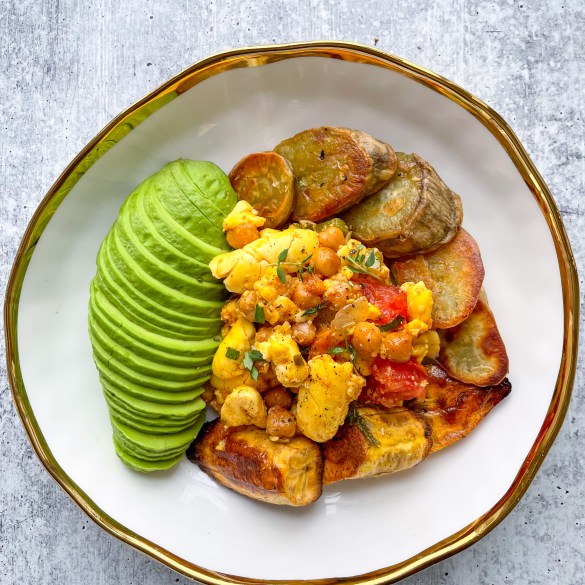
Delicious Ackee and Chickpeas Recipe: A Flavorful Vegan Dish
Ackee is a Jamaican favorite! Ackee and Chickpeas is a vegan way to eat Ackee without the traditional addition of salted fish by subbing it with chickpeas/garbanzo beans. This was extremely delicious and filling and I did not miss the fish at all.
Chickpeas:
Chickpeas are very versatile. They are highly nutritious but a delicious bean that is great for subbing meat in any dish. In this dish they are seasoned with garlic powder, onion powder, paprika, salt, cayenne, and roasted at 425 degrees for 15 minutes. They are great as a snack just roasted but were very delicious with Ackee.
Canned Ackee:
In the States, we can only get canned Ackee. My favorite brand is Spur Tree Spices. After removing the Ackees from the can, I rinse them in a colander with hot water. Allow them to drain while the rest of the dish is being prepared.
Flavoring this dish:
Salted fish usually gives this dish very big flavor! With the absence of the fish, I add scallions, thyme, bell peppers, onions, scotch bonnet peppers, tomatoes and coconut oil to keep the dish as flavorful as possible. Some folks like garlic in their Ackee. Feel free to add it if that makes you happy.
On a baking sheet, place drained garbanzo beans and season with salt, cayenne, paprika, onion powder, garlic powder and olive oil. Use your hands to toss the beans in the seasonings until they are fully coated. Place the tray on the middle shelf in the oven and bake for 15 mins.
Heat coconut oil in a large skillet over medium heat. Once the oil is fragrant a bit frothy, saute onions for about 2-3 minutes until translucent. Add scallions and bell peppers and cook for about a minute. Add tomatoes and scotch bonnets and allow them to cook for an additional minute, stirring occasionally to prevent sticking.
Add roasted garbanzo beans to the pan and toss in with alliums for about 1 minute. Add ackee, salt and black pepper and gently toss with a spatula to combine. The spatula will ensure that the Ackee stays whole and doesn't become mushy. Serve hot with your choice of sides.
cod, caribbean, oil, scotch bonnet, bell pepper, ackee, black pepper, thyme, taste, onion, garlic, chili pepper, ackee and saltfish, scallion, jamaican cuisine, dish, cuisine, coconut, sauce, nutrition, callaloo, ingredient, calorie, heat, jerk, national dish, coconut oil, fat, tablespoon, scrambled eggs, spice, breadfruit, seasoning, boil, cookbook, frying pan, frying, seed, rice and peas, sugar, side dish, meat, meal, dietary fiber, west africa, rice, fried plantain, teaspoon, stew, diet, email address, vitamin, saturated fat, beef, carbohydrate, salted fish, vegetable oil, cabbage, porridge, rum, sweet potato, iron, bean, yam, coconut milk, caribbean cuisine, flour, brine, potassium, pork, tin, vitamin a, pickling, calcium, saucepan, sodium, paprika, bowl, bacon, nutrient, lychee, olive, salt and pepper, fresh water, polyunsaturated fat, chef, capsicum, monounsaturated fat, hot sauce, dough, chickpea, jamaican vomiting sickness, brown stew chicken, nut, olive oil, peanut, cream, ackee&saltfish, saltfish and ackee near me, saltfish, hypoglycin a, aril, university of the west indies, ackee in the can, recipe for ackee
Frequently Asked Questions
How do you make ackee and saltfish?
Making ackee and saltfish involves boiling salted cod until tender, then sautéing it with ripe ackee, onions, tomatoes, and peppers until well combined. Season with spices for a flavorful dish traditionally served with dumplings or rice.
How do you prepare and eat ackee?
Preparing and eating ackee involves first boiling the fruit until the pods open, then removing the seeds and inner membranes. Sauté the ackee with vegetables or spices for a tasty dish, often served with rice or plantains.
How do you make ackee?
Making ackee involves peeling and cooking the ackee fruit until it's tender, then sautéing it with ingredients like onions, peppers, and spices. For a vegan twist, consider substituting traditional salted fish with chickpeas for added protein.
What ingredients are needed for ackee and saltfish?
The ingredients needed for ackee and saltfish include ripe ackee pods, salted codfish, onions, tomatoes, bell peppers, garlic, and spices such as black pepper and thyme.
Can you substitute fish in ackee recipes?
You can substitute fish in ackee recipes. A popular alternative is chickpeas, which provide a protein-rich and delicious vegan twist to traditional dishes, allowing for the same comforting flavors without the use of fish.
Is ackee safe to eat when unripe?
Ackee is not safe to eat when unripe. Unripe ackee contains high levels of hypoaconitine, which can cause serious illness or even be fatal. Always ensure ackee is fully ripe and properly prepared before consumption.
What is the best cooking method for ackee?
The best cooking method for ackee is to boil it gently until it is tender and fully opened, which enhances its creamy texture. This technique allows for a flavorful base when sautéed with spices and vegetables.
How should ackee be stored after cooking?
Ackee should be stored in an airtight container in the refrigerator after cooking. It can be kept for up to three days, ensuring it retains its flavor and texture.
What spices enhance the flavor of ackee?
The spices that enhance the flavor of ackee include thyme, allspice, black pepper, and scotch bonnet pepper. These spices complement the ackee's creamy texture and bring out its rich, savory taste.
How to choose ripe ackee at the market?
Choosing ripe ackee at the market involves looking for pods that are mostly opened and bright yellow or orange inside. Ensure they feel slightly soft to the touch, indicating ripeness, while avoiding any that are darkened or showing signs of mold.
Can ackee be frozen after cooking?
Ackee can be frozen after cooking, but it's best to cool it completely first. Store it in an airtight container, and it can maintain its quality for about 2-3 months in the freezer.
What are common side dishes for ackee?
Common side dishes for ackee include fried plantains, rice and peas, and a simple green salad. These accompaniments enhance the flavors of ackee while providing a well-rounded and satisfying meal.
How to serve ackee in a vegan meal?
Serving ackee in a vegan meal is easy and delicious. You can sauté cooked ackee with spices, vegetables, and chickpeas for a hearty dish, or serve it over rice or quinoa for a nutritious bowl. Enjoy with plant-based sides!
What is the history of ackee in Jamaican cuisine?
The history of ackee in Jamaican cuisine is rooted in its introduction from West Africa, where it was brought to Jamaica in the 18th century. It has since become a staple ingredient, especially in the traditional dish Ackee and Saltfish, symbolizing Jamaican culinary heritage.
Can ackee be cooked without saltfish?
Ackee can indeed be cooked without saltfish. By using chickpeas or other plant-based proteins, you can still enjoy a flavorful and nutritious dish that captures the essence of traditional Jamaican Ackee recipes.
How long does it take to cook ackee?
Cooking ackee typically takes about 10 to 15 minutes once it is prepared. Ensure it is thoroughly cooked to achieve that tender texture while maintaining its delicious flavor.
What are variations of ackee and saltfish recipes?
Variations of ackee and saltfish recipes include using chickpeas instead of salted fish for a vegan option, adding vegetables like bell peppers and spinach for extra flavor, or incorporating spices such as allspice and thyme to enhance the dish's authenticity.
Is ackee and saltfish popular outside Jamaica?
Ackee and saltfish is gaining popularity outside Jamaica, particularly in Caribbean restaurants and among cuisine enthusiasts. Its unique flavors and cultural significance attract both locals and visitors, making it a sought-after dish in various global settings.
How does ackee compare to other tropical fruits?
Ackee compares uniquely to other tropical fruits due to its buttery texture and savory taste, making it more akin to vegetables in culinary use. Unlike most fruits, it is often cooked and incorporated into dishes, especially in Jamaican cuisine.
What are nutrition facts for ackee fruit?
The nutrition facts for ackee fruit include approximately 151 calories per 100 grams, rich in healthy fats, particularly unsaturated fats, as well as protein, fiber, vitamins A and C, and minerals like potassium and iron.
How to prepare canned ackee for cooking?
Preparing canned ackee for cooking involves opening the can, draining the liquid, gently rinsing the ackee in cold water, and then incorporating it into your favorite recipes. Be careful not to break the ackee during handling.
Can ackee be added to salads?
Ackee can indeed be added to salads. Its creamy texture and subtle flavor make it a unique and nutritious addition, enhancing both taste and presentation in various salad recipes.
What other dishes can be made with ackee?
Dishes that can be made with ackee include ackee and callaloo, ackee fritters, and ackee-stuffed peppers. Additionally, it can be added to savory pies or served alongside rice and beans for a delicious plant-based meal.
How to avoid bitterness when cooking ackee?
To avoid bitterness when cooking ackee, ensure you only use ripe ackee and properly rinse it before cooking. Additionally, pairing ackee with flavorful ingredients like onions and tomatoes can help balance and enhance its taste.
What drinks pair well with ackee dishes?
Drinks that pair well with ackee dishes include traditional options like Jamaican sorrel, fresh coconut water, and ginger beer. These beverages complement the dish's flavors while enhancing the overall dining experience.
Can you make ackee without any meat?
Ackee can indeed be made without any meat. A popular vegan alternative is to use chickpeas, which offer a similar texture and protein boost while keeping the dish plant-based and healthy.
What are health benefits of eating ackee?
The health benefits of eating ackee include being rich in essential fatty acids, vitamins A and C, and fiber, which support heart health, boost immunity, and aid digestion. Additionally, ackee is low in calories, making it a nutritious addition to a balanced diet.
How do you tell if ackee is spoiled?
You can tell if ackee is spoiled by examining its color, smell, and texture. Fresh ackee should be yellow or creamy, with no dark or brown spots, and it should have a pleasant aroma. If it emits a sour smell or appears slimy, it's best to discard it.
What is the texture of properly cooked ackee?
The texture of properly cooked ackee is creamy and tender, resembling that of ripe avocado. When cooked correctly, it has a delicate, buttery consistency that easily combines with other ingredients in a dish.
How does ackee taste when cooked properly?
The taste of properly cooked ackee is creamy and slightly nutty, with a rich, buttery flavor that is often compared to scrambled eggs. When seasoned well, it complements a variety of dishes beautifully.
ackee in the can, vegetarian ackee recipe, vegan ackee, ackee recipe, ackee in can, canned ackee, recipe for ackee, ackee dishes, ackee ackee, ackee recipes
cod, caribbean, oil, scotch bonnet, bell pepper, ackee, black pepper, thyme, taste, onion, garlic, chili pepper, ackee and saltfish, scallion, jamaican cuisine, dish, cuisine, coconut, sauce, nutrition, callaloo, ingredient, calorie, heat, jerk, national dish, coconut oil, fat, tablespoon, scrambled eggs, spice, breadfruit, seasoning, boil, cookbook, frying pan, frying, seed, rice and peas, sugar, side dish, meat, meal, dietary fiber, west africa, rice, fried plantain, teaspoon, stew, diet, email address, vitamin, saturated fat, beef, carbohydrate, salted fish, vegetable oil, cabbage, porridge, rum, sweet potato, iron, bean, yam, coconut milk, caribbean cuisine, flour, brine, potassium, pork, tin, vitamin a, pickling, calcium, saucepan, sodium, paprika, bowl, bacon, nutrient, lychee, olive, salt and pepper, fresh water, polyunsaturated fat, chef, capsicum, monounsaturated fat, hot sauce, dough, chickpea, jamaican vomiting sickness, brown stew chicken, nut, olive oil, peanut, cream, ackee&saltfish, saltfish and ackee near me, saltfish, hypoglycin a, aril, university of the west indies, ackee in the can, recipe for ackee
Frequently Asked Questions
How do you make ackee and saltfish?
Making ackee and saltfish involves boiling salted cod until tender, then sautéing it with ripe ackee, onions, tomatoes, and peppers until well combined. Season with spices for a flavorful dish traditionally served with dumplings or rice.
How do you prepare and eat ackee?
Preparing and eating ackee involves first boiling the fruit until the pods open, then removing the seeds and inner membranes. Sauté the ackee with vegetables or spices for a tasty dish, often served with rice or plantains.
How do you make ackee?
Making ackee involves peeling and cooking the ackee fruit until it's tender, then sautéing it with ingredients like onions, peppers, and spices. For a vegan twist, consider substituting traditional salted fish with chickpeas for added protein.
What ingredients are needed for ackee and saltfish?
The ingredients needed for ackee and saltfish include ripe ackee pods, salted codfish, onions, tomatoes, bell peppers, garlic, and spices such as black pepper and thyme.
Can you substitute fish in ackee recipes?
You can substitute fish in ackee recipes. A popular alternative is chickpeas, which provide a protein-rich and delicious vegan twist to traditional dishes, allowing for the same comforting flavors without the use of fish.
Is ackee safe to eat when unripe?
Ackee is not safe to eat when unripe. Unripe ackee contains high levels of hypoaconitine, which can cause serious illness or even be fatal. Always ensure ackee is fully ripe and properly prepared before consumption.
What is the best cooking method for ackee?
The best cooking method for ackee is to boil it gently until it is tender and fully opened, which enhances its creamy texture. This technique allows for a flavorful base when sautéed with spices and vegetables.
How should ackee be stored after cooking?
Ackee should be stored in an airtight container in the refrigerator after cooking. It can be kept for up to three days, ensuring it retains its flavor and texture.
What spices enhance the flavor of ackee?
The spices that enhance the flavor of ackee include thyme, allspice, black pepper, and scotch bonnet pepper. These spices complement the ackee's creamy texture and bring out its rich, savory taste.
How to choose ripe ackee at the market?
Choosing ripe ackee at the market involves looking for pods that are mostly opened and bright yellow or orange inside. Ensure they feel slightly soft to the touch, indicating ripeness, while avoiding any that are darkened or showing signs of mold.
Can ackee be frozen after cooking?
Ackee can be frozen after cooking, but it's best to cool it completely first. Store it in an airtight container, and it can maintain its quality for about 2-3 months in the freezer.
What are common side dishes for ackee?
Common side dishes for ackee include fried plantains, rice and peas, and a simple green salad. These accompaniments enhance the flavors of ackee while providing a well-rounded and satisfying meal.
How to serve ackee in a vegan meal?
Serving ackee in a vegan meal is easy and delicious. You can sauté cooked ackee with spices, vegetables, and chickpeas for a hearty dish, or serve it over rice or quinoa for a nutritious bowl. Enjoy with plant-based sides!
What is the history of ackee in Jamaican cuisine?
The history of ackee in Jamaican cuisine is rooted in its introduction from West Africa, where it was brought to Jamaica in the 18th century. It has since become a staple ingredient, especially in the traditional dish Ackee and Saltfish, symbolizing Jamaican culinary heritage.
Can ackee be cooked without saltfish?
Ackee can indeed be cooked without saltfish. By using chickpeas or other plant-based proteins, you can still enjoy a flavorful and nutritious dish that captures the essence of traditional Jamaican Ackee recipes.
How long does it take to cook ackee?
Cooking ackee typically takes about 10 to 15 minutes once it is prepared. Ensure it is thoroughly cooked to achieve that tender texture while maintaining its delicious flavor.
What are variations of ackee and saltfish recipes?
Variations of ackee and saltfish recipes include using chickpeas instead of salted fish for a vegan option, adding vegetables like bell peppers and spinach for extra flavor, or incorporating spices such as allspice and thyme to enhance the dish's authenticity.
Is ackee and saltfish popular outside Jamaica?
Ackee and saltfish is gaining popularity outside Jamaica, particularly in Caribbean restaurants and among cuisine enthusiasts. Its unique flavors and cultural significance attract both locals and visitors, making it a sought-after dish in various global settings.
How does ackee compare to other tropical fruits?
Ackee compares uniquely to other tropical fruits due to its buttery texture and savory taste, making it more akin to vegetables in culinary use. Unlike most fruits, it is often cooked and incorporated into dishes, especially in Jamaican cuisine.
What are nutrition facts for ackee fruit?
The nutrition facts for ackee fruit include approximately 151 calories per 100 grams, rich in healthy fats, particularly unsaturated fats, as well as protein, fiber, vitamins A and C, and minerals like potassium and iron.
How to prepare canned ackee for cooking?
Preparing canned ackee for cooking involves opening the can, draining the liquid, gently rinsing the ackee in cold water, and then incorporating it into your favorite recipes. Be careful not to break the ackee during handling.
Can ackee be added to salads?
Ackee can indeed be added to salads. Its creamy texture and subtle flavor make it a unique and nutritious addition, enhancing both taste and presentation in various salad recipes.
What other dishes can be made with ackee?
Dishes that can be made with ackee include ackee and callaloo, ackee fritters, and ackee-stuffed peppers. Additionally, it can be added to savory pies or served alongside rice and beans for a delicious plant-based meal.
How to avoid bitterness when cooking ackee?
To avoid bitterness when cooking ackee, ensure you only use ripe ackee and properly rinse it before cooking. Additionally, pairing ackee with flavorful ingredients like onions and tomatoes can help balance and enhance its taste.
What drinks pair well with ackee dishes?
Drinks that pair well with ackee dishes include traditional options like Jamaican sorrel, fresh coconut water, and ginger beer. These beverages complement the dish's flavors while enhancing the overall dining experience.
Can you make ackee without any meat?
Ackee can indeed be made without any meat. A popular vegan alternative is to use chickpeas, which offer a similar texture and protein boost while keeping the dish plant-based and healthy.
What are health benefits of eating ackee?
The health benefits of eating ackee include being rich in essential fatty acids, vitamins A and C, and fiber, which support heart health, boost immunity, and aid digestion. Additionally, ackee is low in calories, making it a nutritious addition to a balanced diet.
How do you tell if ackee is spoiled?
You can tell if ackee is spoiled by examining its color, smell, and texture. Fresh ackee should be yellow or creamy, with no dark or brown spots, and it should have a pleasant aroma. If it emits a sour smell or appears slimy, it's best to discard it.
What is the texture of properly cooked ackee?
The texture of properly cooked ackee is creamy and tender, resembling that of ripe avocado. When cooked correctly, it has a delicate, buttery consistency that easily combines with other ingredients in a dish.
How does ackee taste when cooked properly?
The taste of properly cooked ackee is creamy and slightly nutty, with a rich, buttery flavor that is often compared to scrambled eggs. When seasoned well, it complements a variety of dishes beautifully.